
Our clients know construction better than most — they run a building company, with the excavators, trucks and utes to prove it. When it came time to build their own family home, they still used a broker. Here’s why that mattered.
The smart move: buying the land at first release
The family decided to build their own home in a regional NSW growth corridor. They moved early — signing on a block at the estate’s first land release, before titles had even been issued. First-release blocks are usually the cheapest way into a growth corridor: developer pricing tends to rise with every later stage, so getting in first put real money back in their pocket.
Buying untitled land has a catch, though: you sign now, but you can’t settle until the title is issued — and the build can’t be financed until after that. That means two separate loans, on a timeline you don’t fully control.
The plan: two loans, mapped from day one
This is where most people get caught — they arrange the land loan, then start thinking about construction finance a year later, and discover their position has changed or their lender doesn’t suit the build.
We planned the whole path at the land-purchase stage: a vacant land loan ready for the day the title landed, and the construction loan structured behind it. Deposit, serviceability, lender selection — all worked out once, upfront. When the builder was ready to start, the finance was already standing. In the client’s words: no hassle.
The hard part: five equipment loans on the books
Here’s what made this file genuinely tricky. A construction company runs on equipment — and equipment runs on finance. This family’s company carried five equipment finance facilities: excavator, trucks, ute.
Lenders treat those repayments very differently. Some count every dollar of business equipment debt against the owners’ personal serviceability — which can sink a home loan application on paper, even when the business comfortably pays for its own gear. Others, if the file is presented properly, recognise business debt serviced by business income for what it is.
Choosing the right bank was the deal. We matched the file to a lender whose servicing policy handled self-employed applicants with equipment finance sensibly, presented the company financials to tell that story, and the construction loan — in the $700,000–$800,000 range — was approved and settled with Westpac without drama.
How a construction loan actually pays your builder
If you haven’t built before, the mechanics are worth knowing:
- Progress payments: the bank releases funds to your builder in stages — slab, frame, lock-up, fixing, completion — against invoices, rather than handing over the full amount on day one.
- You’re charged interest only on what’s been drawn during the build, not the full facility.
- Deadlines apply: typically the first progress draw must happen within 12 months of the loan offer, and construction must finish within 24 months. Worth knowing before you sign a build contract, not after.
The result
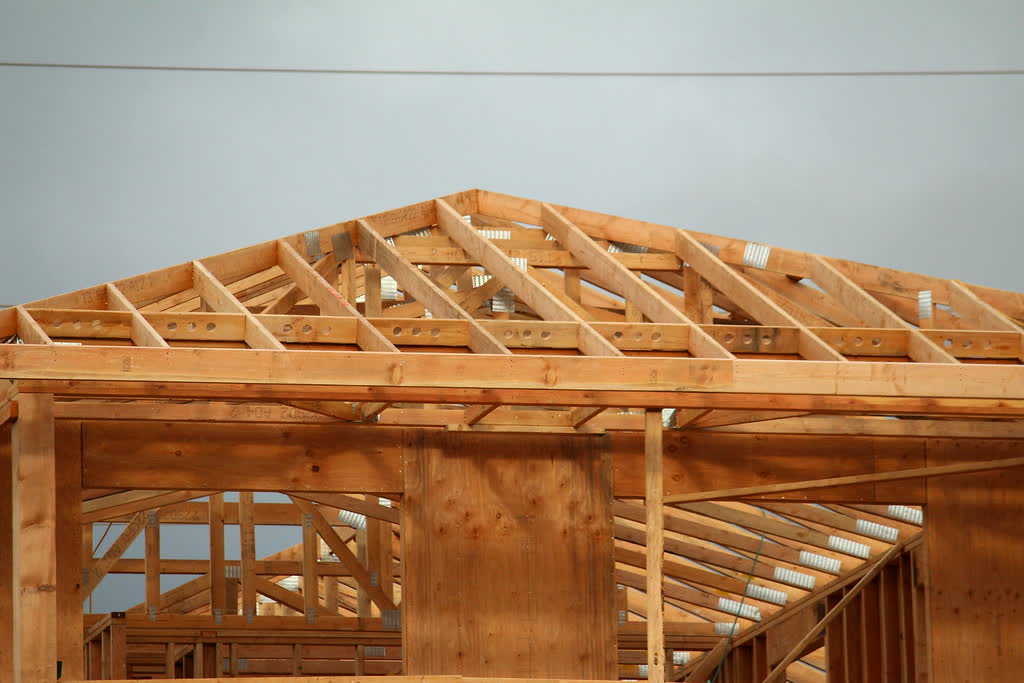
Land settled at first-release pricing. Construction loan settled on schedule, the builder’s commencement letter was issued days later, and the build is underway — with the progress-draw paperwork handled between us, the client and the bank.
Building — or buying land ahead of a build?
If you’re self-employed in the trades with equipment finance on the books, the lender you choose decides how your file reads. Get in touch and we’ll map both steps — land and build — before you commit to either.
This is a real loan we arranged and settled. Client details have been anonymised for privacy. Every application is assessed by the lender on its own merits — outcomes, approval times and lending criteria vary.
Photo by ArmchairBuilder.com, CC BY 2.0.